Redding highlight
Northern Sacramento Valley regional center
Redding hosts the Supervisors Office for the Shasta-Trinity National Forest, a 2.1-million-acre forest that includes Mount Shasta and the Trinity Alps, making it a regional administrative and recreation hub.
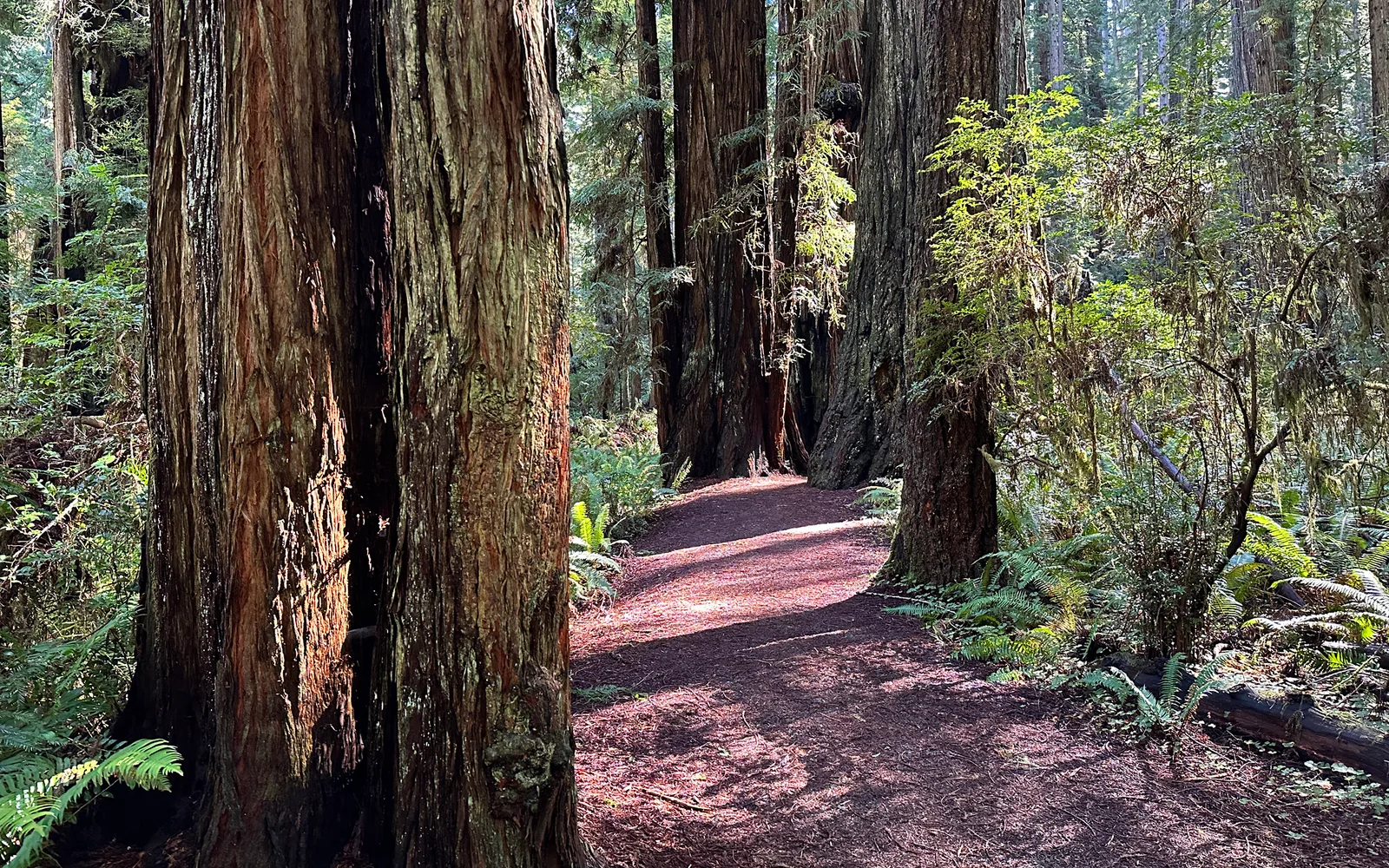
The Shasta-Trinity National Forest spans 2.1 million acres across Northern California, with elevations ranging from 1,000 to 14,179 feet. It contains five designated wilderness areas, hundreds of mountain lakes, and 6,278 miles of streams and rivers, including iconic regions like Mount Shasta and the Trinity Alps. The Shasta-Trinity National Forest Supervisors Office, the administrative headquarters for the forest, is located in Redding at 3644 Avtech Parkway. From this office, the Forest Service manages five ranger districts: Hayfork, McCloud, Mount Shasta, Shasta Lake, and Weaverville.
The forest supports diverse recreation across its 230+ recreation sites: camping, hiking, backcountry travel, boating, fishing, rock climbing, winter sports, scenic drives, and off-highway vehicle riding. The region generates economic activity through timber operations, non-wood forest products like matsutake mushroom harvesting, fuelwood cutting, and recreation-based tourism. The Bureau of Reclamation's Northern California Area Office, which manages the Central Valley Project across the region, also operates from the Redding area, reinforcing the city's role as a federal and regional administrative center.
A city becomes a regional center when it anchors the practical needs of the people around it—government, employment, infrastructure, access to resources and recreation. Families in Redding and throughout Northern California depend on this regional stability: jobs, seasonal work, access to forests and lakes, and the services that keep a region functioning. Life insurance planning serves the same purpose at the household level: it anchors the financial security of the people who depend on you. Comparing rates and choosing coverage that matches your income and your family's timeline is the household version of regional planning.